01
Start from anything
A rough sketch, a flat, a garment photo, a fabric swatch, a Pinterest reference or a short brief. No prompt writing needed: CotonAI picks the right workflow and model for each step.
Start from a sketch, a garment photo, a fabric or a few words. CotonAI generates design options in your silhouettes, then lets you change colours, fabrics, trims and proportions without redrawing, and carries the approved version on to colourways, imagery and line sheets.
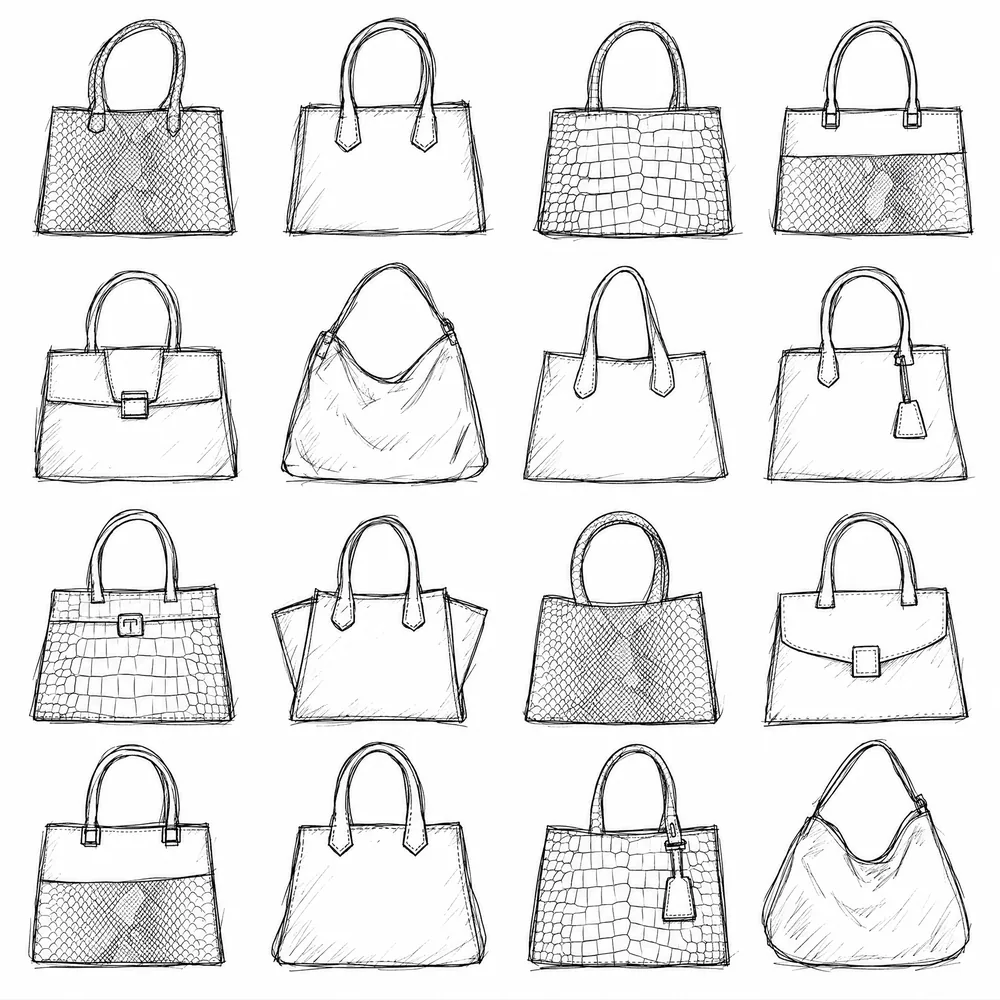
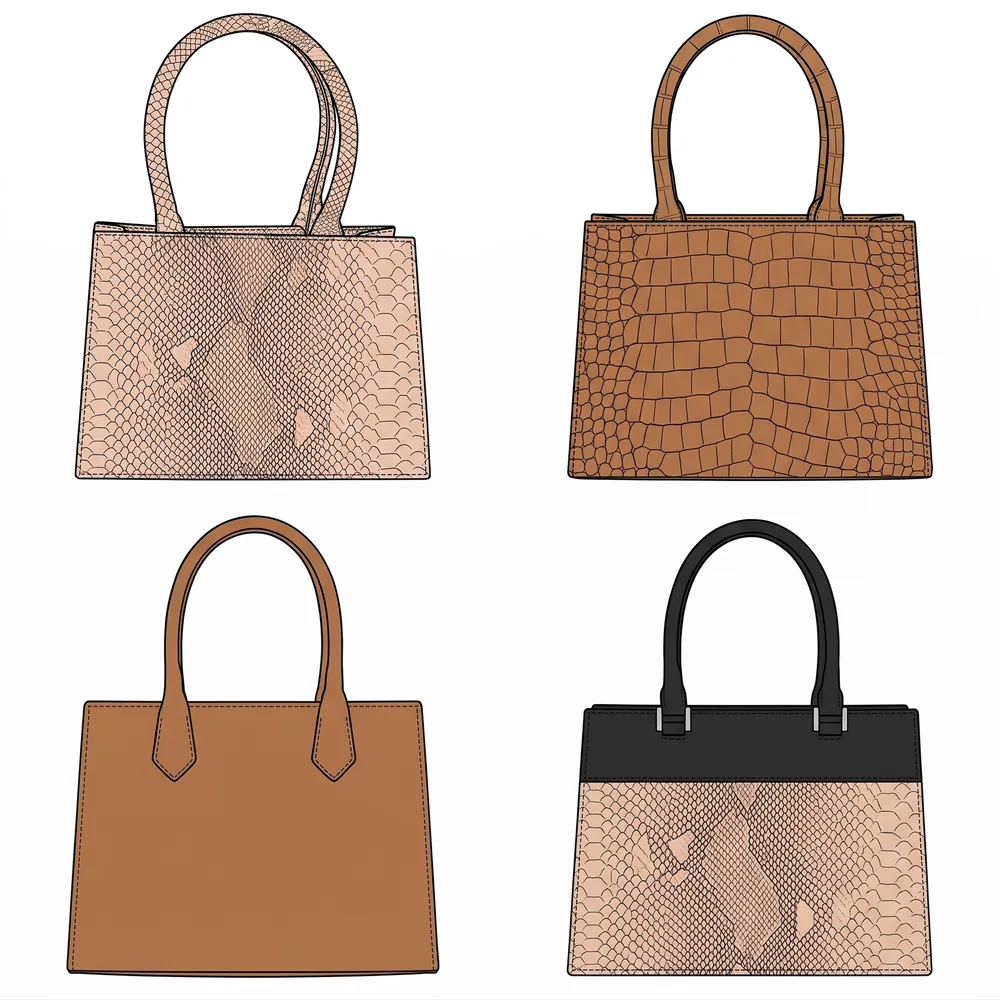
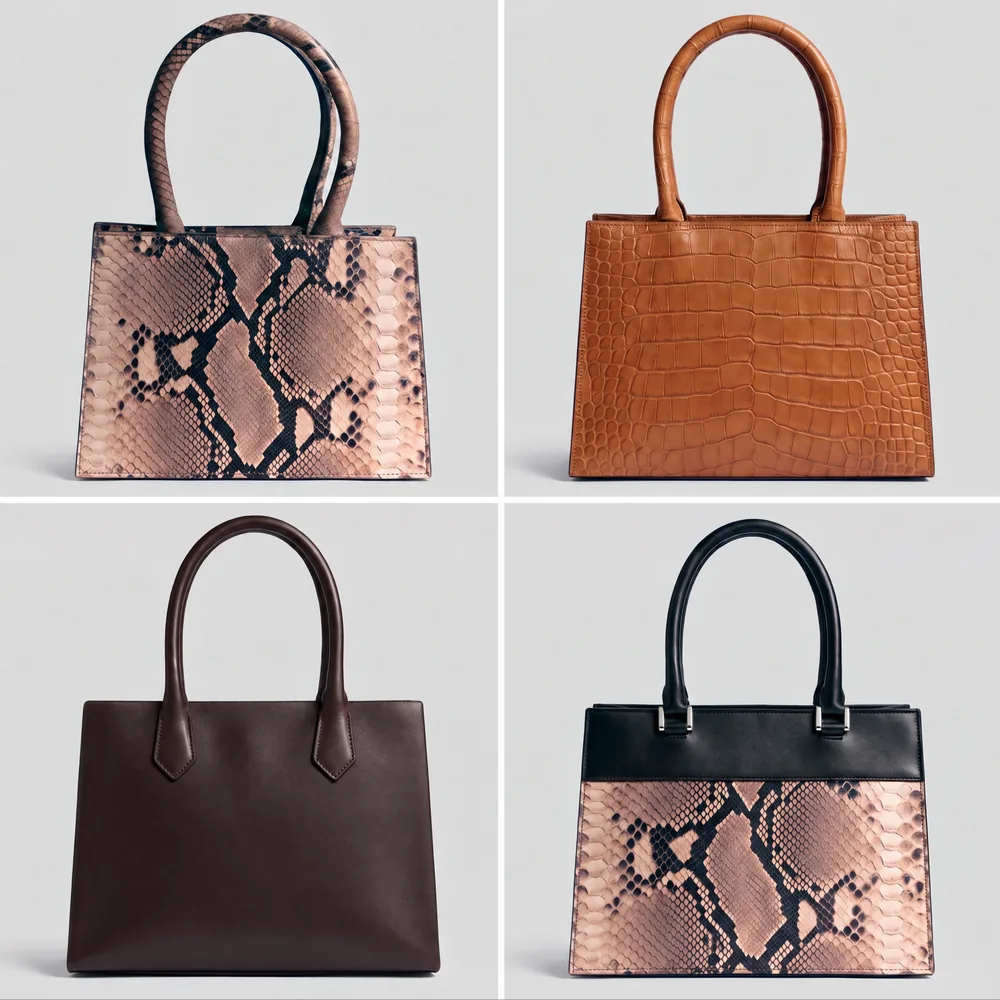
Most AI image tools can make a picture of a dress. A fashion team needs more than a picture. It needs options that look like its own brand, a way to pick the ones worth making, and a product that can still be developed after the image is approved: recoloured, edited, priced, sampled and sold.
CotonAI is an AI fashion editor built around that work. It generates design options in the silhouettes and categories you already sell, helps you narrow them using your own trends, customers and brand language, and renders the chosen designs as realistic products. Every option stays tied to a style, so the design you approve is the one that moves on to colourways, campaign imagery, line sheets and tech-pack drafts.
From a first idea to a design your team approves.
01
A rough sketch, a flat, a garment photo, a fabric swatch, a Pinterest reference or a short brief. No prompt writing needed: CotonAI picks the right workflow and model for each step.
02
Get a sheet of options in your silhouettes. The agent reads your trends, customers and brand language and suggests which flats are worth making. You decide.
03
Turn the chosen flats into photoreal products in the materials on your bill of materials.
04
Change colours, fabrics, trims, proportions or details, and place, resize and recolour graphics directly on the product. Compare with the original and approve it: both versions stay with the style.
Time, cost and content results with CotonAI.
7.5–10hours
saved per SKU
45%
saved on sample cost
2–4months
saved per year in production time
After a design review the list is familiar: shorten the sleeve, change the lining, try a contrast panel, make the strap thinner. Sending each note back for a redraw costs days, and by the time the new version arrives the next round of comments is waiting.
The AI fashion editor in CotonAI lets the designer make those changes directly on the approved design. Change a colour, swap a fabric, adjust a trim or a proportion, and the rest of the concept, including the silhouette and construction, stays as it was. You see the result immediately and keep the previous version beside it.
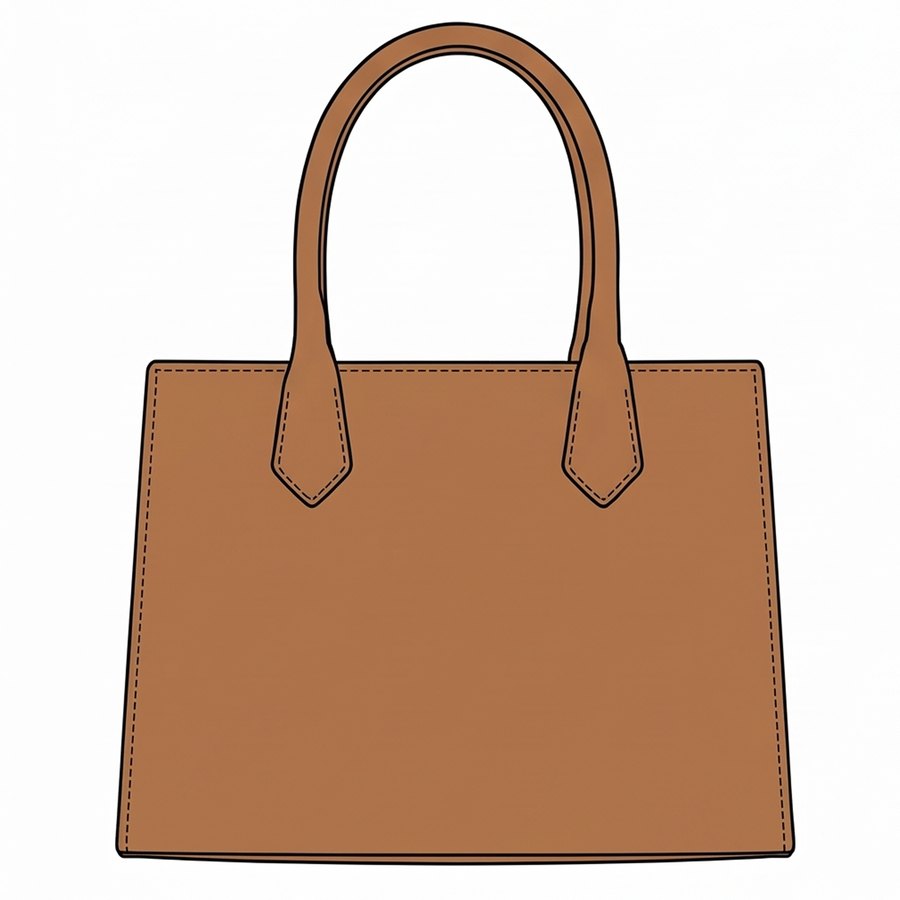
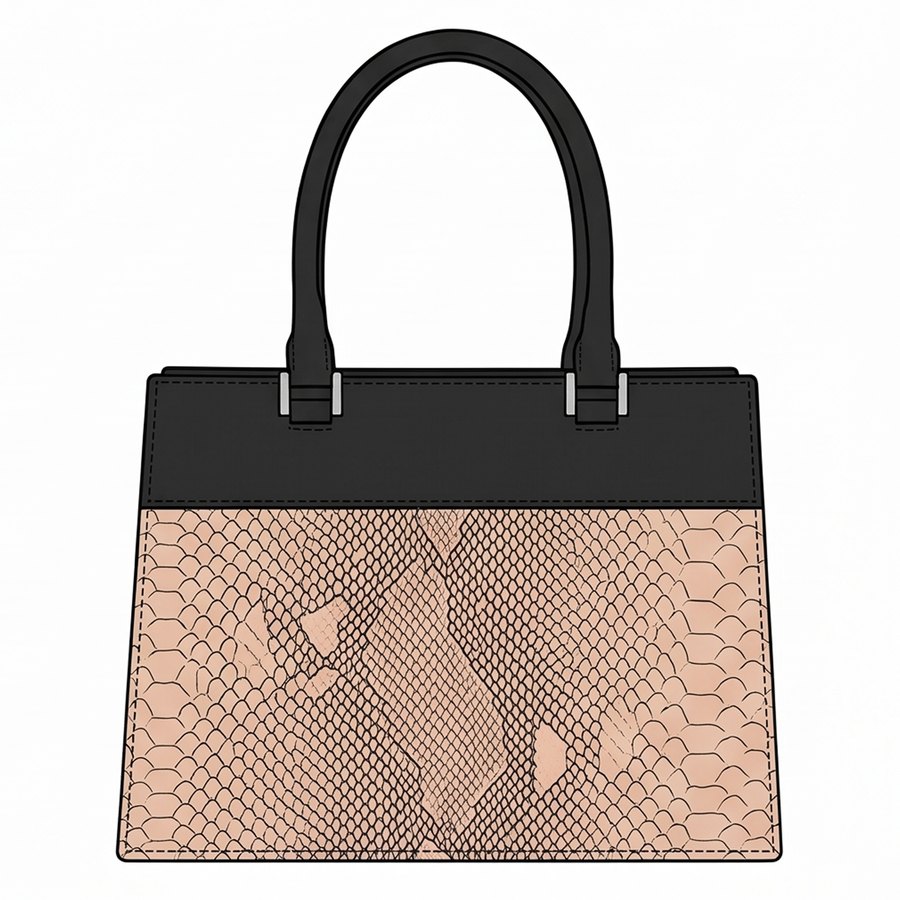
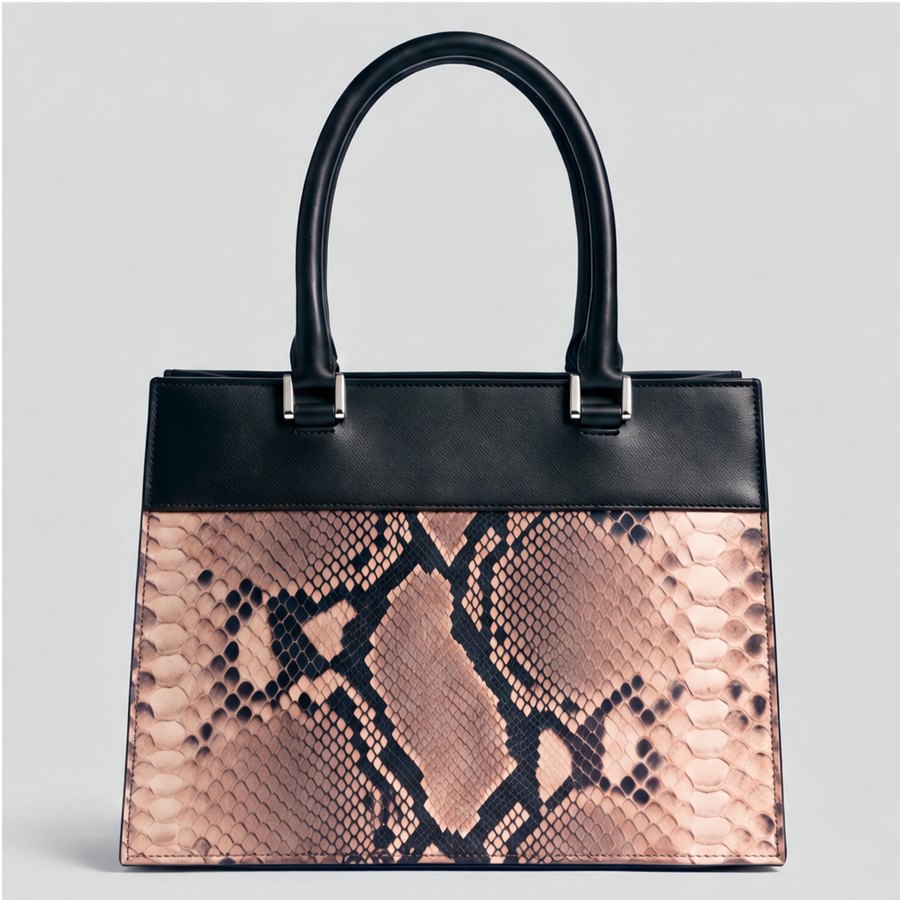
Generators made for individual creators stop at the image. CotonAI keeps going, because the people who use it work together: designers, merchandisers, buyers and sourcing teams.
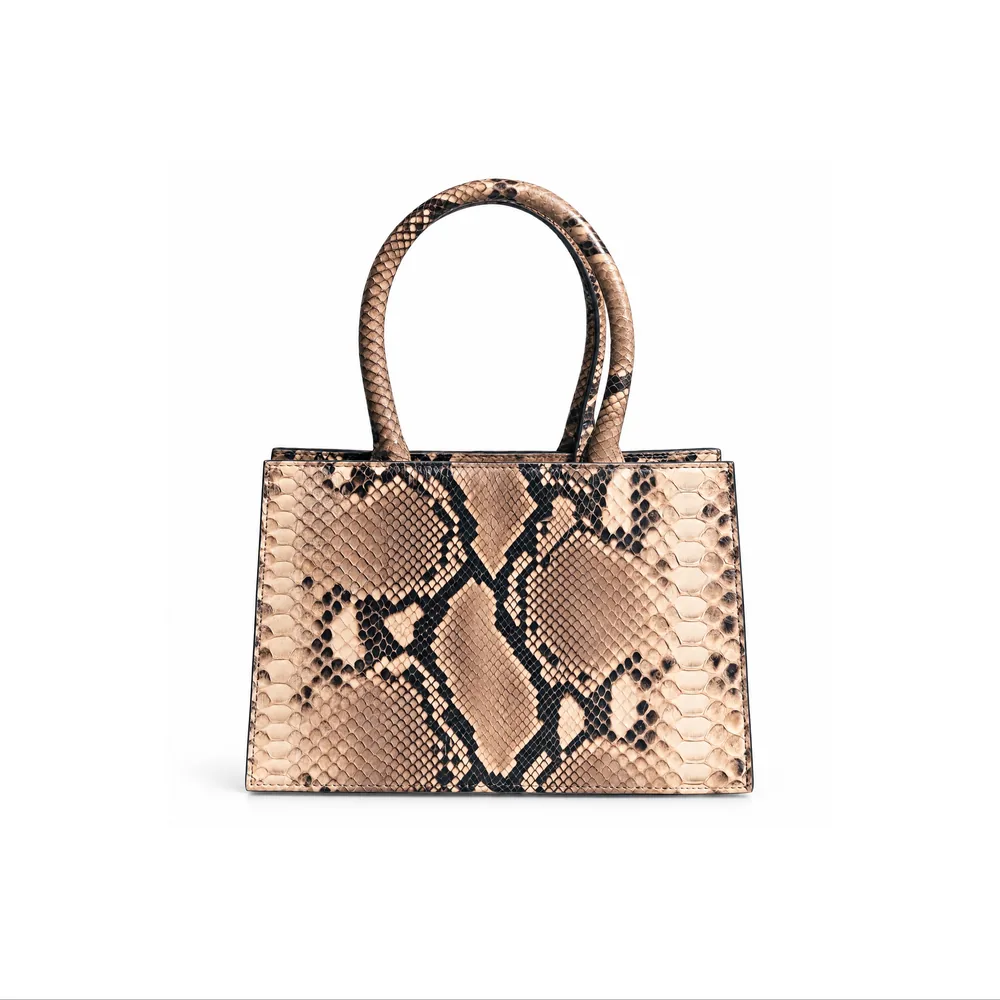
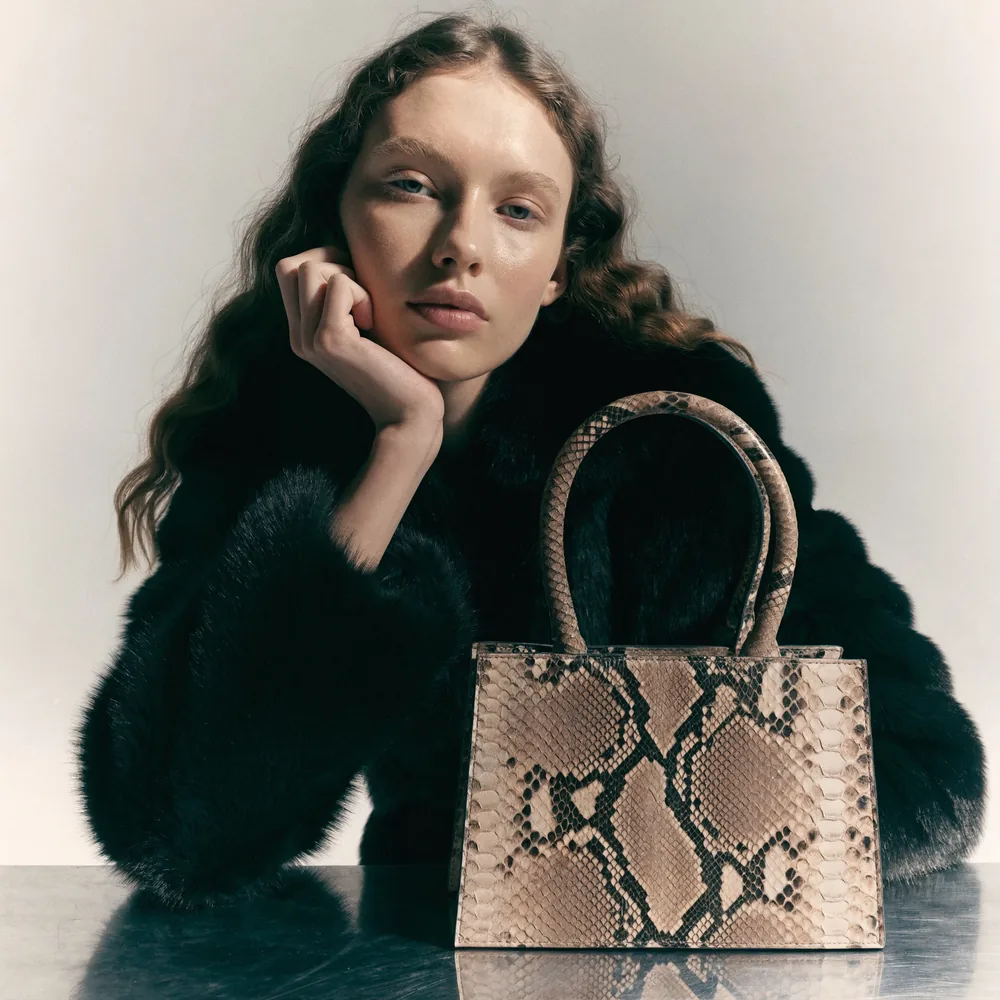
Edits start from the render, branch into colourways and prints, and carry into product imagery and tech-pack drafts. Edit once, and everything downstream follows the approved version.
A design tool helps you draw. A generator helps you explore: it shows you twenty directions in the time it takes to sketch one, so the team can react, combine and choose. The risk is that generated options drift away from what your brand would make, or ignore how a garment is built. CotonAI keeps generation grounded in your silhouettes, your categories and your construction details, and puts a person in charge of every decision.
In practice, a designer might start a resort capsule with three sketches and a fabric photo, generate a sheet of options around them, mark the six worth keeping, and render those in the materials on the bill of materials. Merchandising sees the same six on the board the same afternoon, comments on price points and colour, and the approved styles move on to colourways and product imagery without anyone re-uploading a file.
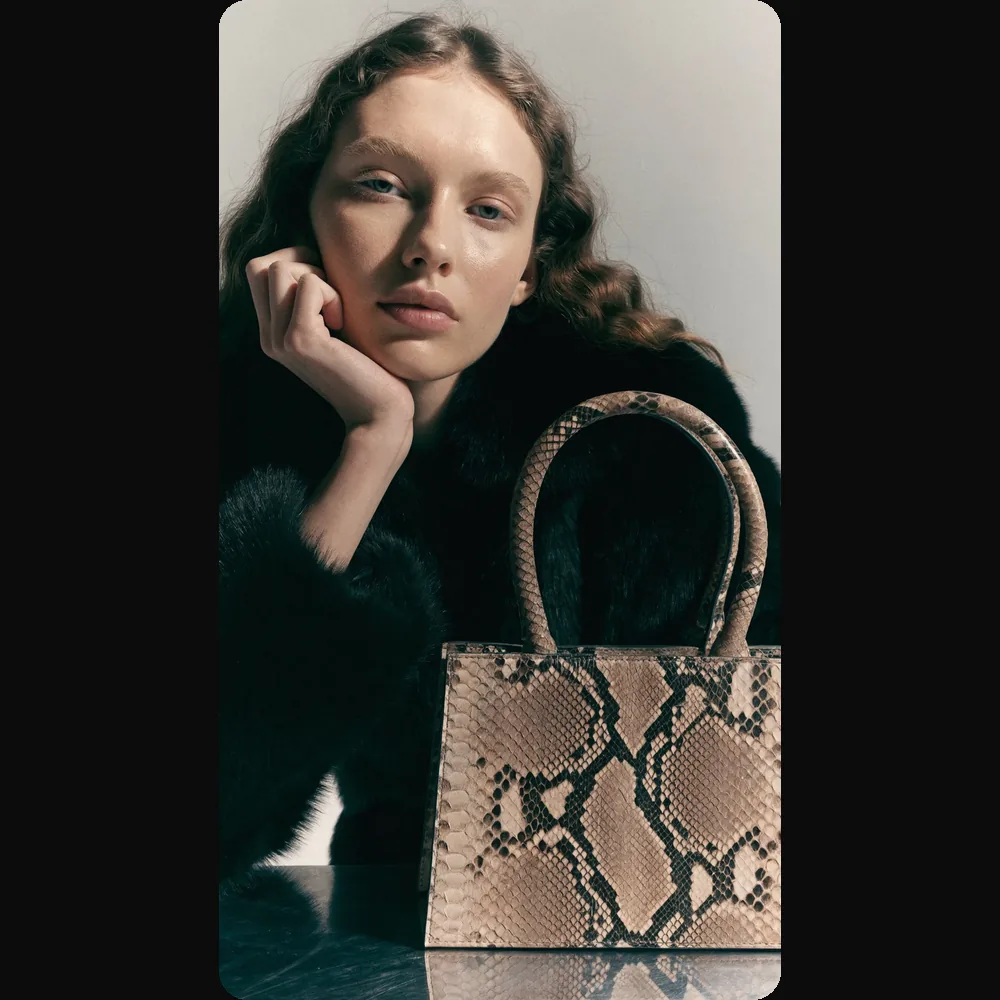
A worked example: after a line review, a tote needs a contrast panel and a darker top. The designer opens the approved render, swaps the upper to black leather, adds a python panel to the lower half, and compares the result with the original. The silhouette, handles and hardware are untouched, so the edit is approved in one pass and the new version is saved next to the old one.
The fastest way to judge the AI fashion editor is on your own product, not a demo file. Book a session and bring a render or photo of a design that needs changes after a review. We will run it in CotonAI with you, show you where it fits in your workflow, and recommend where to start.
Teams that want help setting up can add the Growth Team, who set up workflows and train your people, or the Creative Team, designers who do the work in CotonAI for you. Larger teams can see Enterprise for single sign-on, integrations and custom deployment.
An AI fashion editor generates fashion design options from a sketch, a photo, a fabric or a written brief, and lets you edit them without redrawing: colours, fabrics, trims, proportions and graphics. CotonAI keeps the silhouette and construction, renders the chosen designs as realistic products and carries them into colourways, imagery, line sheets and tech-pack drafts.
No. You can work visually from a sketch, photo or fabric. CotonAI chooses the workflow and model for each step, and you can switch to manual control when you want it.
CotonAI learns from your existing collections, design language, customers and categories, so options follow your silhouettes and visual identity rather than a generic style.
Yes. Change colours, fabrics, trims, proportions and garment details without rebuilding the concept, and keep every version tied to the style.
No. The silhouette and construction details stay as they were. Only the parts you edit change.
Yes. Compare an edited version with the original and keep both with the style, along with their comments and approvals.
Yes. Place, resize and recolour graphics directly on the product.
Your designs, uploads and outputs belong to your team and are never used to train AI models, ours or anyone else's.
We'll show you the workflow end to end and recommend where to start.