01
Approve the collection
Styles, colourways and imagery approved in CotonAI, or imported from your product data and PLM.
Turn your approved collection into line sheets, catalogues, buyer decks and order forms, with the right prices, colours and delivery windows on every page, and a different edit for every buyer.

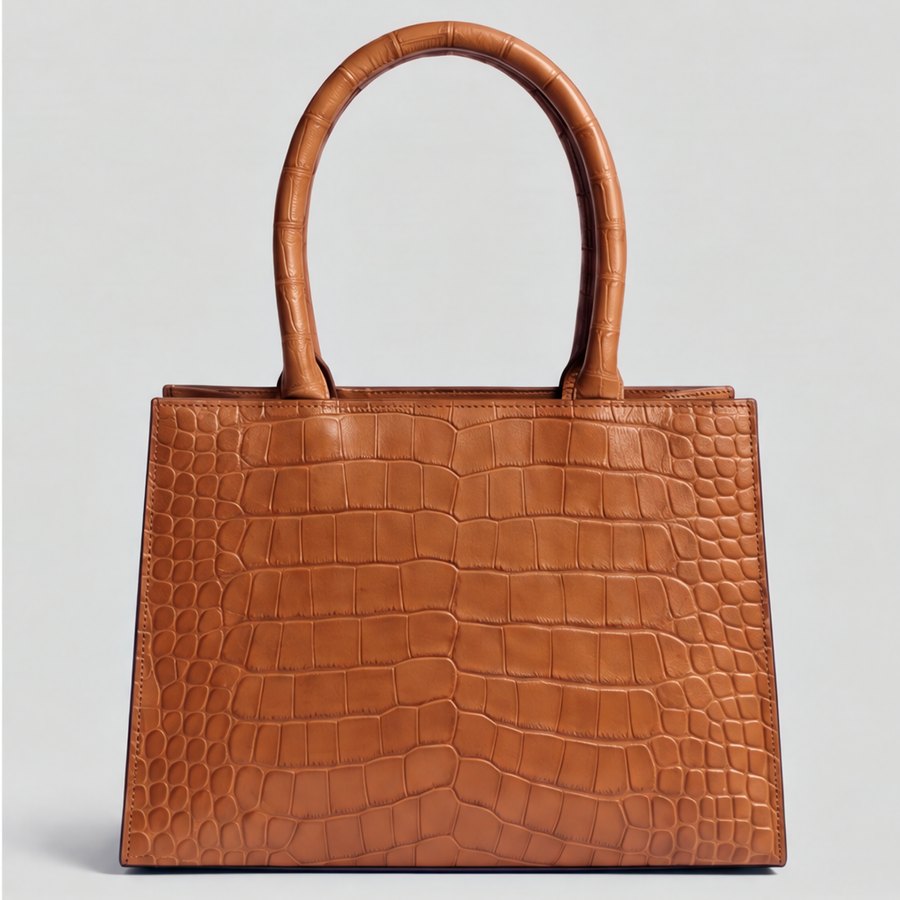
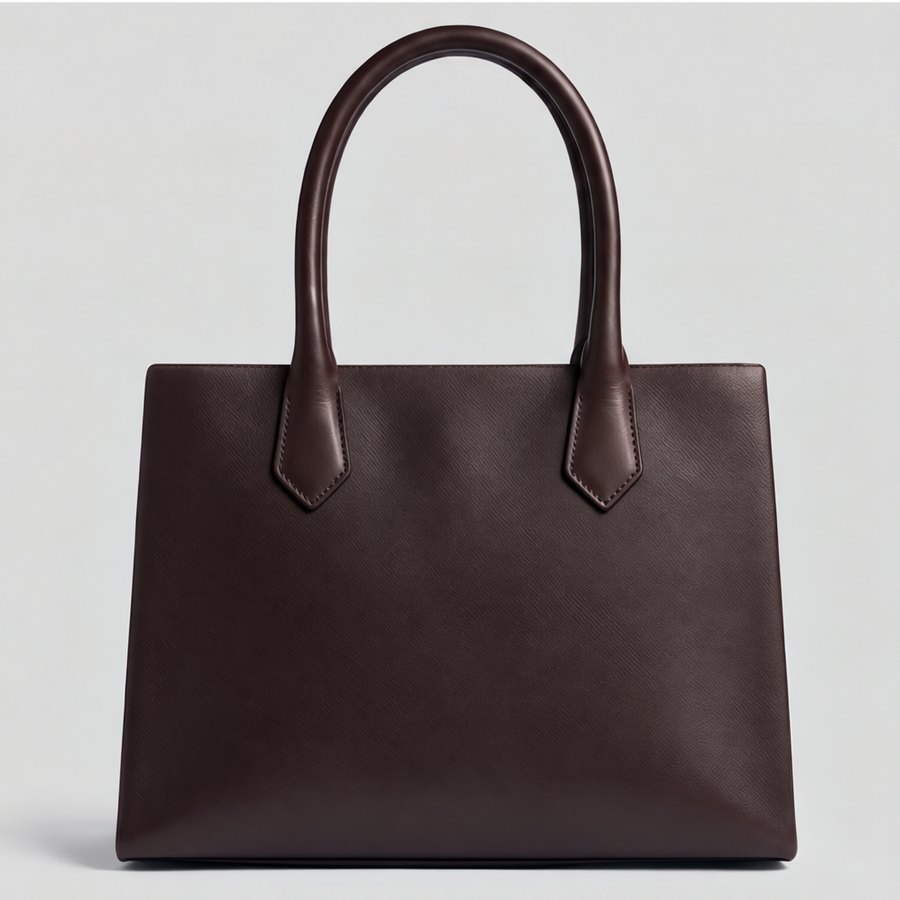

Every season, someone copies the approved styles into a line sheet template, pastes in images, types the prices, checks the MOQs, rebuilds the deck for the next buyer and hopes nothing changed in between. When something does change, every document has to be fixed by hand.
AI for wholesale fashion in CotonAI builds those documents from the collection itself. The styles, images and commercial data live in one place, so a line sheet, a catalogue and a buyer deck are three views of the same truth.
Approved styles in. Wholesale ready out.
01
Styles, colourways and imagery approved in CotonAI, or imported from your product data and PLM.
02
Line sheets, catalogues, lookbooks, buyer decks and order forms, generated from the same data.
03
Curate an edit and terms for each account, export to PDF or Excel, and send.
Brands selling wholesale alongside D2C, export houses answering buyer briefs, and manufacturers presenting developments to retail buyers. For merchandisers who own the range, see AI for fashion merchandising; for the catalogue itself, the AI fashion catalog generator.
A label selling to forty boutiques and two department stores approves its autumn collection in CotonAI. The merchandiser builds one master line sheet from the approved styles, with wholesale and retail prices, colours, sizes and delivery windows. The department stores each get their own buyer deck with a curated edit and their terms; the boutiques get the line sheet and an order form.
Midway through the selling season a colour is dropped and a price changes. Because every document is built from the same collection, the change is made once and the line sheet, catalogue and decks are regenerated, instead of being corrected one by one in slides and spreadsheets.
The same approved styles carry on to product photography for the brand's own store, so wholesale and D2C show the same product.
The fastest way to judge AI for wholesale is on your own product, not a demo file. Book a session and bring last season's line sheet and a few styles from the next collection. We will run it in CotonAI with you, show you where it fits in your workflow, and recommend where to start.
Teams that want help setting up can add the Growth Team, who set up workflows and train your people, or the Creative Team, designers who do the work in CotonAI for you. Larger teams can see Enterprise for single sign-on, integrations and custom deployment.
AI builds the selling documents wholesale runs on, such as line sheets, catalogues, buyer decks and order forms, from the approved collection and its product data, and keeps them consistent as the line changes.
Yes. CotonAI Fold turns an approved collection into line sheets, catalogues, lookbooks, buyer decks and order forms.
Faire and FashionGo are available. The Integrations page lists the current status of NuORDER and other connections.
Missing prices, MOQs or delivery dates are flagged, not guessed, so you can fix them before anything goes to a buyer.
We'll show you the workflow end to end and recommend where to start.